Protect water lines, drains, sewer hookups, and backflow devices before severe weather.
If you live and work in Galveston, you have to be ready for severe rain, tropical storms, hurricanes, flooding, and unexpected changes in water pressure. These conditions can throw additional stress on plumbing systems and increase the likelihood of drain backups, broken pipes, contaminated water, and damage.
We provide skilled storm preparation, hurricane ready and backflow prevention services for homes, businesses, rental properties, and commercial facilities in Galveston, TX, to assist property managers in identifying plumbing issues before any unwanted disaster occurs and to take realistic measures to safeguard water lines, drains, sewer hookups, fixtures, and backflow prevention devices.
An inspection before hurricane season can help discover small problems before they become expensive disasters. Our team's expert plumbers provide solutions based on the state and demands of your property.
System-wide checks to find weak points before severe weather arrives.
Checks, testing coordination, repair, and replacement of devices.
Confirm your main water shutoff works and is easy to find in an emergency.
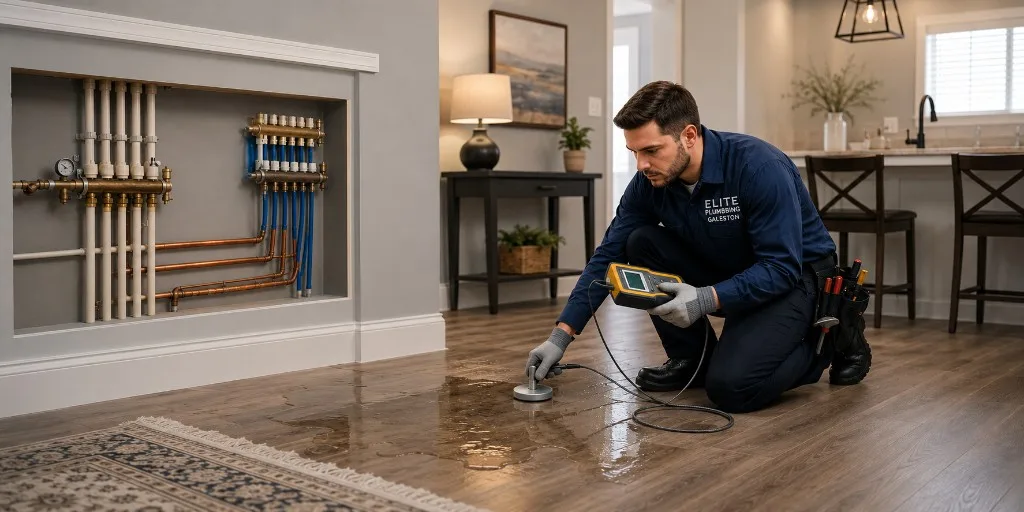
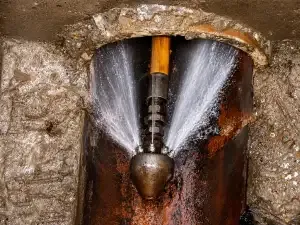
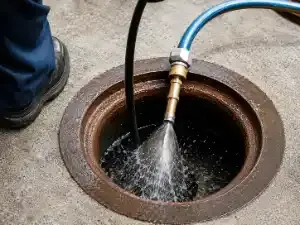
Clear lines and sewer camera inspections to reduce risk.
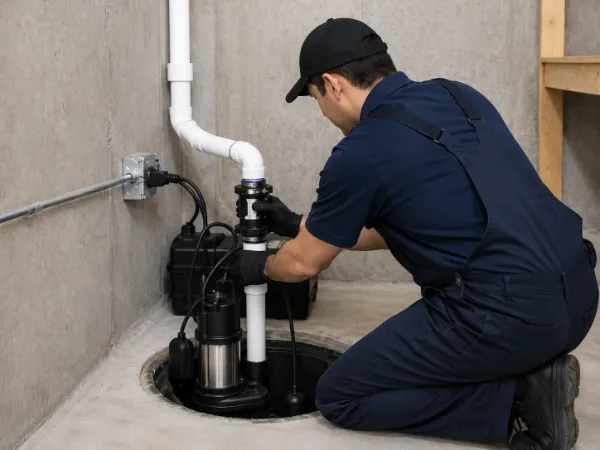
Test performance, float switches, discharge lines, and power options.
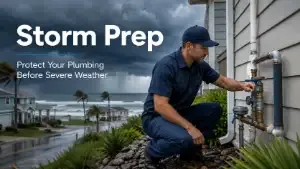
Hose bibs, exposed piping, and exterior taps checked before the critical weather condition.
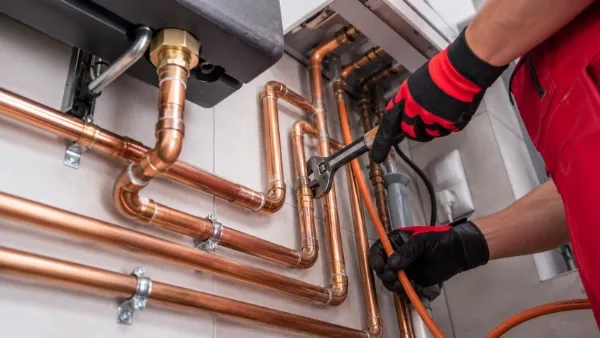
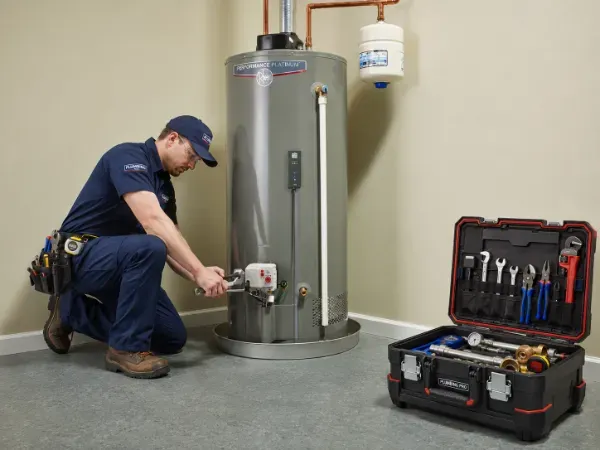
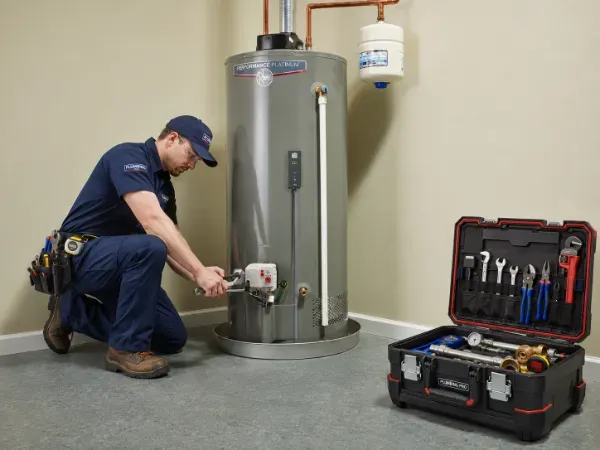
Leak tests, shutoff valves, supply lines, and relief valve inspections.
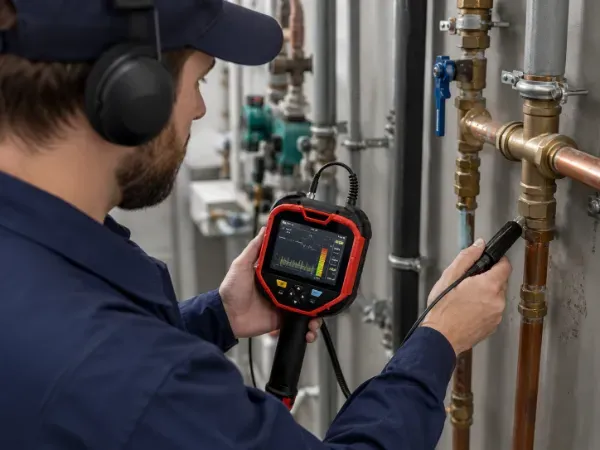
Find small leaks before heavy rain or flooding makes them worse.
Flood plumbing checks, emergency cutoff planning, and sewer backup prevention.
We'll inspect your plumbing system and let you know which services can lessen the likelihood of hurricane damage.
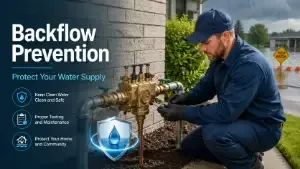
Galveston Elite Plumbing can evaluate your backflow protection device and help you understand any problems we find.
A device must be inspected on a periodic basis to verify proper installation, accessibility, and freedom from any obvious damage. An inspection can assist in determining if the item may need testing, cleaning, repair, or replacement.
Some backflow prevention systems need to be professionally tested to make sure the internal valves and check mechanisms are working correctly. Tests may include pressure levels, valve functionality, relief apertures, and the device's capacity to stop reverse water flow.
Requirements for testing vary with the property, device, water connection, and municipal legislation. Where formal certification or documentation is required, the service shall be performed by a qualified professional. Our team can help you examine your system and determine the best next move for your property.
Corrosion, debris, age, exposure to storms, pressure changes, or worn parts might cause a backflow prevention device to develop leaks or internal difficulties. Repairs may include replacing seals, springs, check valves, relief components, or other internal elements. We look at the device, offer fixes, and explain whether repair or replacement is the more feasible option.
Older or damaged devices may need to be replaced. You may also need to replace the device if it is no longer suited for your plumbing system or fails needed performance testing. Depending on the water connection and purpose, we can remove the broken unit and install a suitable replacement.
It is not only an industrial or commercial property problem. Cross-connections in homes can also allow tainted water to enter the clean water supply. Typical hazards include garden hoses in a bucket or pool, drip irrigation systems, outside faucets, swimming pool fill lines, water softeners, boiler systems, private wells, lawn chemical equipment, and pressurized cleaning tools.
Damage may not be apparent after a hurricane, tropical storm, or flood. If the fixtures are still working, that does not mean the water system is safe. Floodwater, debris, and pressure fluctuations can affect pipes and equipment without any visible evidence.
Broken or pressurized water lines that need immediate attention.
Shifting earth can disrupt buried water and sewer lines.
Cracks, collapses, and sewage-contaminated water system.
Preventers are damaged by floodwater, debris, or impact.
Flooded, shifted, or leaking tanks and connections.
Outdoor faucet damage, leaking connections, and low pressure.
Arrange for a professional plumber to inspect.
Damage can lead to plumbing difficulties that require rapid assistance. If water is actively flowing into the property, switch off the nearest shutoff valve or the main water supply if it is safe to do so. If you suspect a wastewater backup, cease using sinks, showers, toilets, washing machines, and dishwashers until the situation has been assessed.
Coastal properties require knowledge of general drainage systems together with an appreciation of the unique issues they present for storm preparation. We do not approach each property the same way; we customize our suggestions to the age, condition, and location.
Sanitation service focused on Galveston homes and businesses.
Solutions for houses, rentals, and commercial facilities.
Inspection, testing, repair, and replacement services.
Plumbing inspections before hurricane season hits.
Drain cleaning and sewer evaluations that cut backup risk.
Real-life advice, professional repairs, and post-service testing.
Don't wait for a storm to be on the way to inspect your plumbing system. Scheduling service early in the season allows time to repair leaks, clear drains, replace damaged valves.
Call Now: (409) 295-2500Answers to common hurricane ready, storm prep and backflow questions for Galveston property owners.
Because storms can cause unexpected pressure changes, water main breaks, flooding, and power outages. These factors can increase the risk of polluted water backing up into a clean water source.
A backflow preventer is installed to protect the pure water supply from pollution. A backwater valve is a device installed in a drain or sewage line to help prevent wastewater backing up into the property.
Signs of a problem could be visible leaks, corrosion, reduced water pressure, strange sounds, or failed testing results. An expert inspection will help identify whether the equipment needs repair or replacement.
Drain cleaning could be suggested if drains are slow, toilets gurgle, or the property has a history of backups. Clearing away a clog already in place helps lessen the likelihood of a more serious issue during periods of heavy rain.
You can lessen the likelihood of an unattended plumbing leak by turning off the main water supply. But the right approach depends on the property and associated equipment. Have your system checked before the hurricane season starts and learn how to turn the shutoff on and off properly.
Yes. Floodwater, debris, rust, and physical impact might harm the device or impair its operation. Any unit that has been submerged or damaged must be inspected before being returned to service.
Have water heaters, sump pumps, outdoor plumbing, shut-off valves, fixtures, and other submerged components properly inspected.
Yes. A sewer camera can show root infiltration, fissures, accumulation, collapsed regions, and other problems that can raise the danger of a backup during heavy rain.
Check for leaks, check shutoff valves, clear drains, test backflow devices, protect exterior plumbing, and ensure the water heater and supply lines are in good condition.
Yes. Galveston Elite Plumbing offers residential and commercial plumbing services in Galveston, TX, for storm preparedness, hurricane ready and backflow prevention.