Galveston, TX Repiping & Pipe Repair Services
Targeted pipe repairs or full-system repiping — clear guidance based on the real condition of your plumbing.
Targeted pipe repairs or full-system repiping — clear guidance based on the real condition of your plumbing.
A damaged pipe can impact far more than one fixture. Hidden water leaks can harm walls, floors, cabinets, insulation, and structural materials.
Galveston Elite Plumbing offers professional pipe repair and repiping for homes, rental properties, commercial buildings, and other facilities in Galveston, TX.
Water sanitation lines can fail from age, corrosion, over-pressure, improper installation, shifting soil, storm damage, or regular wear. Before proposing repairs or replacement, we evaluate the general condition of the plumbing system and the damaged region.
Find and fix drips before they ruin walls, floors, and cabinets.
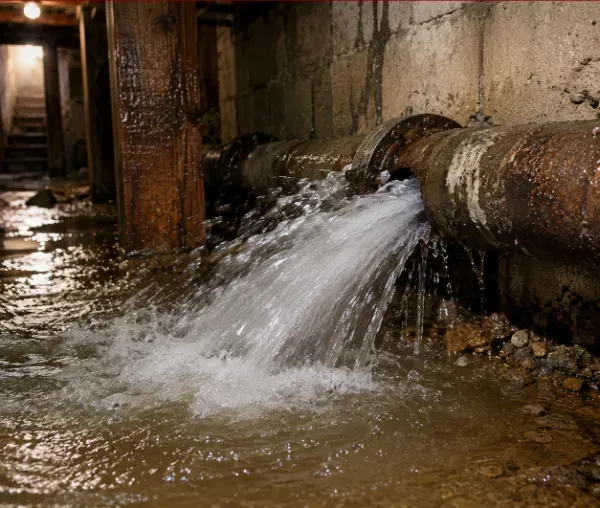
Rapid shutoff support and replacement of failed duct sections.
Address tiny metal-line holes before they cause major damage.
Replace rusted, weak, or failing metal supply lines.
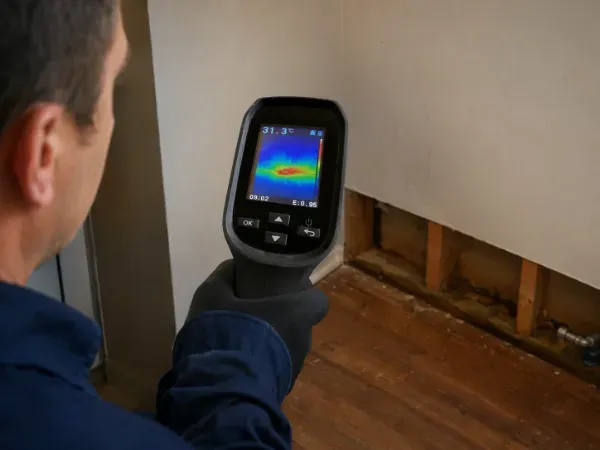
Access or reroute lines under concrete when needed.
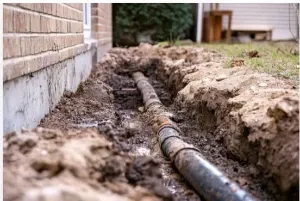
Locate and repair buried water lines damaged by soil or roots.
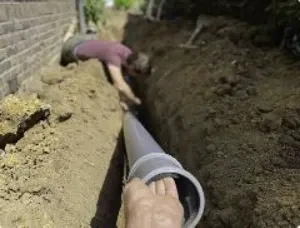
Replace failing sections — or the full supply system when needed.

Phased line replacement for restaurants, hotels, and multi-tenant sites.
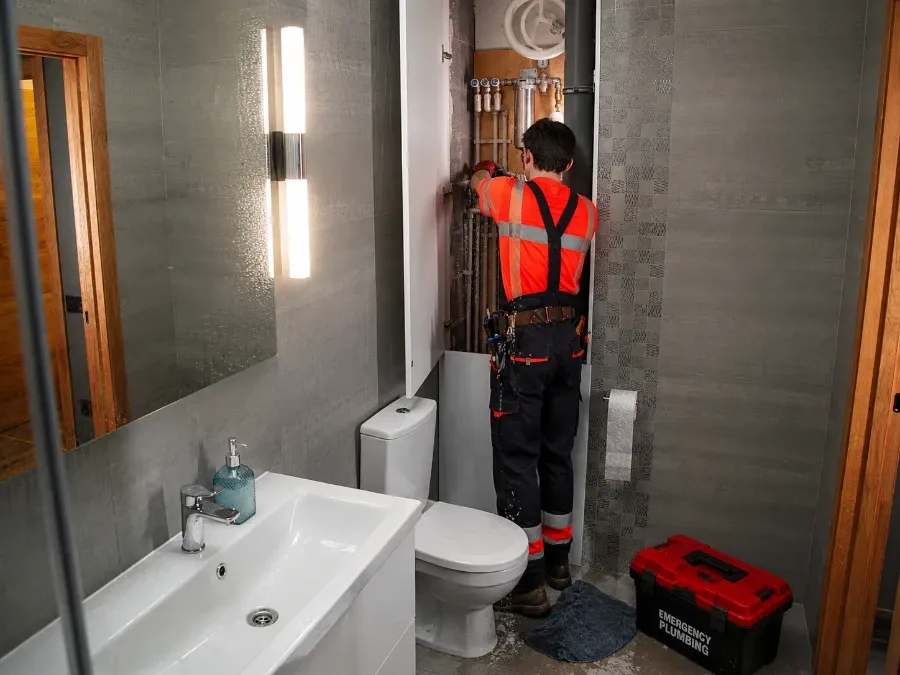
Fast help when water is flowing or flooding from a failed line.
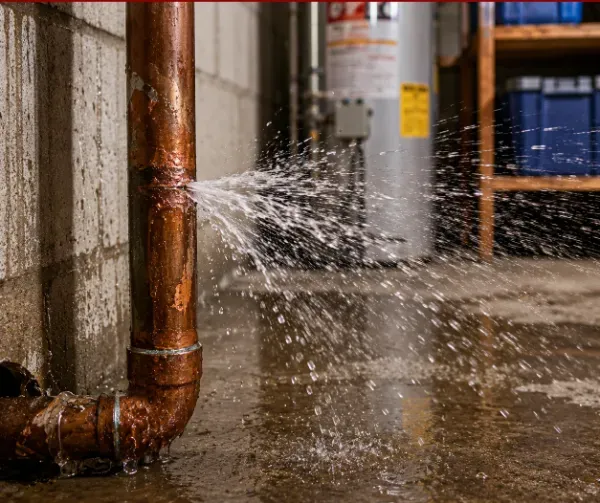
The leaking water may start as a sluggish drip, but even a minor drip can cause serious harm if it keeps going behind a wall or under a floor. Leaks can form at visible joints, behind sinks, around water heaters, in ceilings, or behind the wall — and often go unnoticed until water stains, mold, or a high water bill shows up.
A burst pipe can unleash a lot of water in a short time. Water travels through walls, ceilings, floors, cupboards, and into adjacent rooms before the source is stopped.
Galveston Elite Plumbing can locate the damaged line, remove the failed section, and provide an appropriate replacement.
These are microscopic holes that can form in metal water lines. Even if the opening is small, the constant outflow can ruin plasterboard, insulation, wood, and surrounding materials. Causes can include internal corrosion, water chemistry, age, pressure, or wear.
Corrosion can attack metal pipes from the inside or outside. Coastal conditions may also degrade exposed plumbing from moisture and salt air. A badly corroded line may be too weak for a lasting fix.
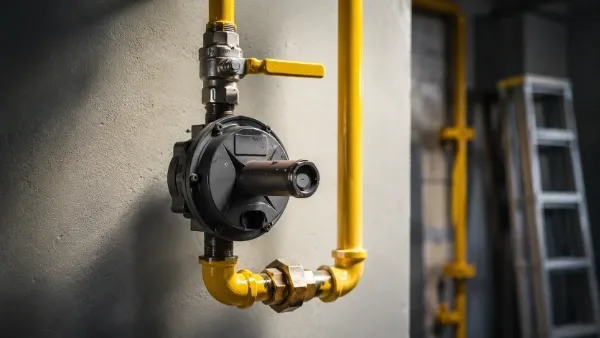
Water supply lines deliver clean water to faucets, toilets, showers, appliances, water heaters, and other fixtures. We repair and replace exposed supply lines, branch lines, fixture connections, and damaged sections of the main system. The right fix depends on the material, location, and condition of the line.
Drainpipes carry wastewater away from sinks, tubs, showers, toilets, and appliances. Unlike pressurized supply lines, they rely on gravity and proper slope. For persistent blockages, we may also recommend a camera inspection for structural issues.
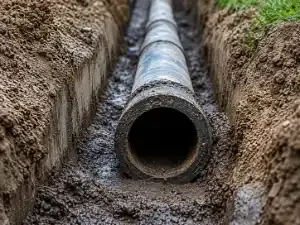
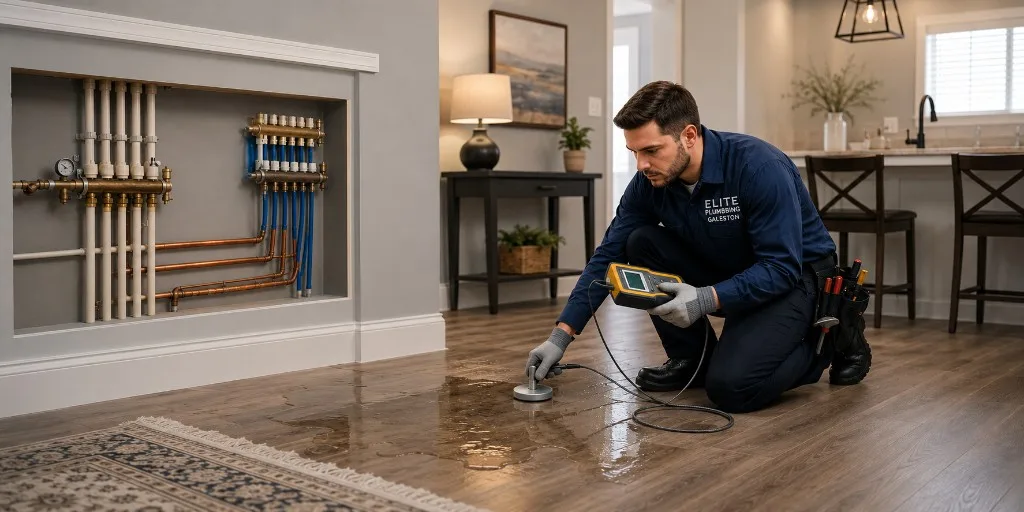
Because a slab leak is concealed, it may keep leaking without being seen. Repair options depend on location and condition — sometimes accessing the affected area is appropriate; other times rerouting the line around the slab is less disruptive. We'll assess the situation and describe the choices before work starts.
Underground lines can be damaged by moving soil, roots, construction, corrosion, heavy equipment, or changing ground conditions. We scan the line, identify probable damage, and evaluate whether a targeted subterranean repair or line replacement is best.
Pipes outdoors, under elevated structures, in utility areas, or near exterior walls can face moisture, salt air, storms, impact, and temperature changes. We can repair damaged areas, replace worn fittings, improve support, and suggest preventative measures based on location.
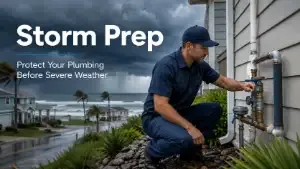
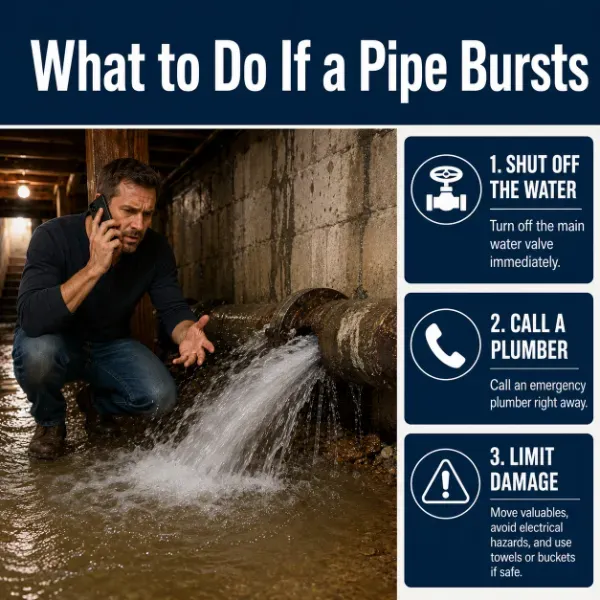
Severe weather can impact plumbing through wind, flood, debris, ground movement, and shifting building materials. An early examination after a storm can help catch problems before they cause more damage.
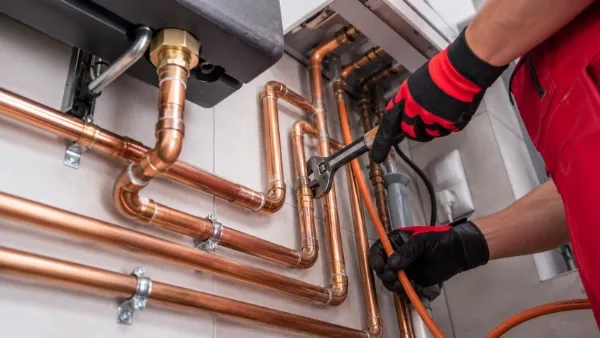
Repiping means replacing some or all of the water pipes in a property — a room, a section of the structure, or the entire supply system. It is usually considered when current pipes are no longer reliable.
Partial repiping replaces only the damaged elements or areas with recurring problems. It can address a particular issue without replacing those that are still in good condition. But if the rest of the system is aging or breaking down, a partial fix may lead to more repairs later — we explain these factors before recommending scope.
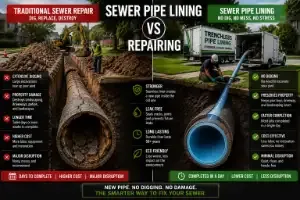
Whole-house repiping replaces most or all of the interior water supply piping. It is a larger project but can eliminate frequent issues and improve water-supply reliability. We arrange paths carefully and try to minimize unnecessary disruption to walls, ceilings, and finished surfaces.
No single piping material best fits every property. We explain the possibilities and suggest a material suited to the system — not the same solution for every building.

PEX is a flexible water-supply material that can reduce fittings and ease routing. Benefits can include flexible installation, resistance to some internal scaling, quieter flow, and suitability for many home layouts. It must be installed with compatible fittings and supports, and protected from extended sunlight and improper heat sources.
Copper has long been used in home and business plumbing. Potential benefits include proven durability, heat resistance, recyclability, and suitability for visible or concealed applications. Water chemistry, corrosion, incorrect installation, or coastal conditions can still affect copper — we analyze the building and long-term needs first.
CPVC is a hard plastic used in some hot and cold water systems. Over time it can become brittle or crack — especially near valves, fittings, supports, impact areas, movement zones, and water heater connections. If the material is fragile across the property, wider replacement may be worth considering.
The decision may depend on building design, water pressure, location, accessibility, local conditions, hot-water demand, project budget, future property use, and compatibility with current fittings.
Rerouting can be the best fix for a tough or inaccessible leakage — for example a snapped line under a slab, a hard-to-reach original route, multiple drips in one spot, or a remodel that changes the plumbing layout. A new line in a more practical location can be better than digging up the same bad spot again.
Humidity, salt air, flooding, hurricanes, earth movement, and older buildings can all harm Galveston plumbing. Coastal dampness can corrode exposed metalwork and fittings. Storms can harm outdoor plumbing.
Renovating a kitchen, bathroom, or whole property is a good time to replace old pipes. If walls and floors are already open, plumbers may have better access to water supply piping, drain connections, fixture valves, shower piping, appliance lines, and older fixtures — helping you avoid cutting back into finished surfaces later.
Pipe repair is not just about stopping the obvious drip. Water pressure, plumbing material, surrounding condition, and system history all matter. We help property owners realize when a repair is sufficient — and when a replacement may deliver better long-term value.
Galveston-focused repair and coastal-condition experience.
Targeted fixes and whole-property solutions.
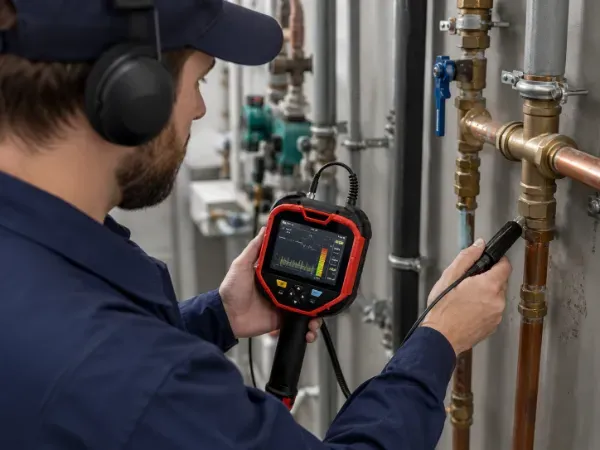
Practical recommendations, careful planning, and pressure testing.
Don't ignore leaky pipes, low water pressure, or repeated problems. An early assessment can reduce water damage. Call Galveston Elite Plumbing.
Call Now: (409) 295-2500Not always. A single isolated drip may only need localized repair. Repiping is typically considered when they become frequent or the pipe shows extensive corrosion.
Some access openings may be required to reach hidden pipes. The building layout and routing determine how many openings are needed and how large they are.
If old pipes are leaky, blocked, undersized, or rusted, it may improve pressure. Other pressure problems may involve the water supply or different components that need a different remedy.
The right material depends on the property, installation location, existing plumbing, water conditions, and project goals. PEX and copper are common options, but neither is right for every structure.
Yes, if the damage is localized and the rest of the piping is in good shape. We inspect the system before advising the extent of the repair.
Corrosion, age, water conditions, pressure, or installation problems may be involved. Multiple leaks can be a sign to seek a wider replacement.
Yes. Depending on the leak location, you can either reach the damaged section or reroute the line somewhere else.
A little surface rust is not necessarily an immediate replacement issue. But badly deteriorated, leaky, or internally restricted pipes may need to be replaced.
Yes. Galveston Elite Plumbing offers commercial and multi-unit complexes partial or full repiping services.